

Protein Muffin Recipe: Step-by-Step Guide for Beginners
Table of Contents
Looking for a healthy breakfast option that’s simple to make and full of nutrients? Try making a homemade protein muffin. It’s a tasty and nutritious way to start your day with a protein muffin recipe that fits your diet.
This guide will show you how to whip up easy protein muffins for quick breakfasts or post-workout snacks. You’ll see the perks of baking your own muffins. Use the ingredients you enjoy while keeping your diet in mind..
Key Takeaways
- Learn how to make a simple protein muffin recipe at home.
- Customize your homemade protein muffin with your favorite ingredients.
- Discover the benefits of making your own easy protein muffins.
- Follow this beginner-friendly, step-by-step guide to baking protein muffins.
- Discover how a homemade protein muffin can transform your breakfast into a healthy, delicious treat.
The Benefits of Protein-Packed Muffins
High-protein muffins are a convenient way to stay fueled while on the move. Rich in nutrients, they also offer an amazing taste. A perfect addition to help you stay on track with your fitness journey.
Nutritional Advantages of High-Protein Baked Goods
Packed with protein, these muffins play an essential role in muscle recovery and development.. They keep you feeling full for longer, helping with appetite control and weight management. A high protein muffin is a perfect snack to boost your protein intake without eating a full meal.
| Nutritional Benefit | Description |
| Muscle Repair and Growth | Protein is essential for fixing and building muscle, making high-protein muffins great after working out. |
| Weight Management | The high protein content keeps you full, helping you avoid overeating and support weight loss. |
| Energy Boost | Enjoy steady energy throughout the day with protein muffins packed with protein, carbs, and healthy fats. |
Why Homemade Protein Muffins Beat Store-Bought Options
Store-bought protein muffins are easy to find, but they often have preservatives, added sugars, and unhealthy fats. Homemade protein muffins, on the other hand, let you pick the ingredients. This way, you can make a healthy protein muffin with good stuff. By picking your protein muffin ingredients wisely, you can skip the bad stuff and make it just right for you.
It’s easy to make your own protein muffins at home. You can use different proteins like whey, casein, or plant-based ones. Plus, you can add your favorite fruits, nuts, or spices. This way, you can make a delicious and healthy snack that you’ll love.
Essential Ingredients for the Perfect Protein Muffin
Making the perfect protein muffin starts with knowing the key ingredients. These ingredients make your muffins both tasty and healthy. The quality and mix of these ingredients greatly affect the taste, texture, and health benefits of your muffins.
To craft a protein muffin, focus on three main ingredient groups: protein sources, flour types, and sweeteners or flavor boosters. Each group is vital for the quality of your muffins.
Protein Sources: Powders, Greek Yogurt, and Eggs
Protein is key in protein muffins. You can add it in several ways. Protein powders are easy and pack a lot of protein. The addition of Greek yogurt keeps baked goods moist while giving a tangy twist. Eggs provide protein, structure, and richness.
“Using a mix of protein sources can make your muffins more balanced in amino acids.”
Flour Options: Regular, Whole Wheat, and Gluten-Free Alternatives
The flour you pick changes your muffins’ texture and health.While all-purpose flour is standard, whole wheat adds a nuttier flavor and extra fiber. For those who can’t have gluten, there are gluten-free flours like rice, almond, or coconut. Trying different flours can help you find the best taste for you.
Sweeteners and Flavor Enhancers
Even protein-rich muffins are better with a small amount of natural sweetness.Natural sweeteners like honey, maple syrup, or stevia are good choices. Cinnamon or vanilla extract can boost flavor while keeping muffins low in sugar. The goal is to mix sweeteners and flavor enhancers so they enhance the other ingredients without being too much.
Knowing the importance of these ingredients helps you make protein muffins that are not just tasty but also fit your diet and preferences.
Kitchen Equipment You’ll Need
Before you start making your protein muffin recipe, make sure you have the right kitchen tools.With the correct tools, baking is easier and much more fun.
Basic Tools for Beginners
Beginners need basic tools to start making easy protein muffins. Here are the essentials:
Muffin Tins and Liners
A muffin tin is key for baking your protein muffins. Liners help with cleanup and prevent sticking.
Mixing Bowls and Measuring Tools
You’ll need mixing bowls for wet and dry ingredients, plus measuring tools to get the right amounts.
Whisks and Spatulas
Beat the mixture with a whisk until even, then gently bring it together using a spatula.
| Tool | Purpose |
| Muffin Tin | Baking protein muffins |
| Mixing Bowls | Combining ingredients |
| Measuring Tools | Accurate measurement of ingredients |
| Whisk | Mixing ingredients |
| Spatula | Folding ingredients and scraping bowls |
Optional Equipment for Advanced Bakers
Advanced bakers might want to get more tools. A food processor is great for complex recipes. A digital scale helps with precise measurements.
Basic Protein Muffin Recipe: Your Foundation for Success
Starting with a solid base is key to making the perfect protein muffin. Our basic recipe is easy, flexible, and meets many dietary needs. It’s a great starting point for trying out different flavors and ingredients while keeping a high protein level.
You can tailor this recipe to match your taste and dietary needs.A great option to add extra protein to your meals.
Ingredient List with Measurements
To bake 12 protein muffins, you’ll need these ingredients:
- 1 scoop of whey protein powder (30g)
- 1/2 cup almond flour (60g)
- 1/2 cup rolled oats (60g)
- 1/2 cup unsweetened almond milk (120ml)
- 1 large egg
- 1/4 cup melted coconut oil (60g)
- 1/2 teaspoon baking powder
- 1/4 teaspoon salt
- 1 tablespoon honey or stevia (optional)
| Ingredient | Measurement | Calories |
| Whey Protein Powder | 1 scoop (30g) | 120 |
| Almond Flour | 1/2 cup (60g) | 180 |
| Rolled Oats | 1/2 cup (60g) | 100 |
| Unsweetened Almond Milk | 1/2 cup (120ml) | 30 |
| Large Egg | 1 | 70 |
| Melted Coconut Oil | 1/4 cup (60g) | 480 |
| Baking Powder | 1/2 teaspoon | 5 |
| Salt | 1/4 teaspoon | 0 |
| Honey or Stevia | 1 tablespoon | 64 |
Nutritional Breakdown
Each muffin has about 220 calories. Offering 20g protein, 10g fat, and 15g carbs, it provides long-lasting energy and aids recovery. This makes our muffins great for a post-workout snack or a quick breakfast.
Possible Substitutions for Dietary Restrictions
To meet different dietary needs, you can make these changes:
Dairy-Free Options
Swap unsweetened almond milk with soy milk or coconut milk.
Gluten-Free Adaptations
Use gluten-free oats or coconut flour instead of almond flour. Adjust the liquid as needed.
Sugar-Free Variations
Leave out honey or stevia. Or use a sugar-free sweetener like monk fruit sweetener.
These simple swaps let you enjoy a protein muffin that meets your dietary needs without losing flavor or texture.
Step-by-Step Protein Muffin Recipe Instructions
Now that you have all your ingredients, let’s make delicious protein muffins. This guide will help you prepare, mix, fill muffin tins, and bake them perfectly.
Preparing Your Ingredients and Workspace
Measure and prepare all the ingredients in advance for smoother baking.Crack eggs into a bowl, measure protein powder, and get your dry ingredients ready. A neat workspace makes combining ingredients simpler and less stressful.
Tip: Use a digital scale for accurate measurements, like protein powder, for consistent muffins.
Mixing Wet and Dry Ingredients Properly
In a big bowl, mix wet ingredients like eggs, Greek yogurt, and milk. Whisk until well combined. Then, mix dry ingredients like flour, protein powder, and sweeteners in another bowl. Slowly add dry ingredients to wet ingredients, stirring until just combined. Avoid overmixing to prevent dense muffins.
Remember: Mixing just until combined is key for a tender crumb.
Filling Muffin Tins: Tips for Perfect Portions
Divide the batter evenly among muffin cups. For consistent baking, use an ice cream scoop to measure the batter.. Fill tins 3/4 full for even rising.
| Muffin Size | Batter Amount | Baking Time |
| Standard | 1/4 cup | 18-20 minutes |
| Mini | 1 tablespoon | 12-15 minutes |
| Jumbo | 1/2 cup | 25-30 minutes |
Baking Times and Temperature Guidelines
Preheat your oven to 375°F (190°C) for conventional baking. Convection ovens might need different settings. Here’s a guide:
Conventional Oven Settings
Bake at 375°F (190°C) for the recommended time based on muffin size. Stay attentive—baking times vary depending on the oven.
Convection Oven Adjustments
For convection ovens, lower the temperature by 25°F (15°C). Check for doneness a few minutes early. Convection baking can give a different texture and browning.
By following these steps, you’ll make delicious and healthy protein muffins that meet your needs and preferences.
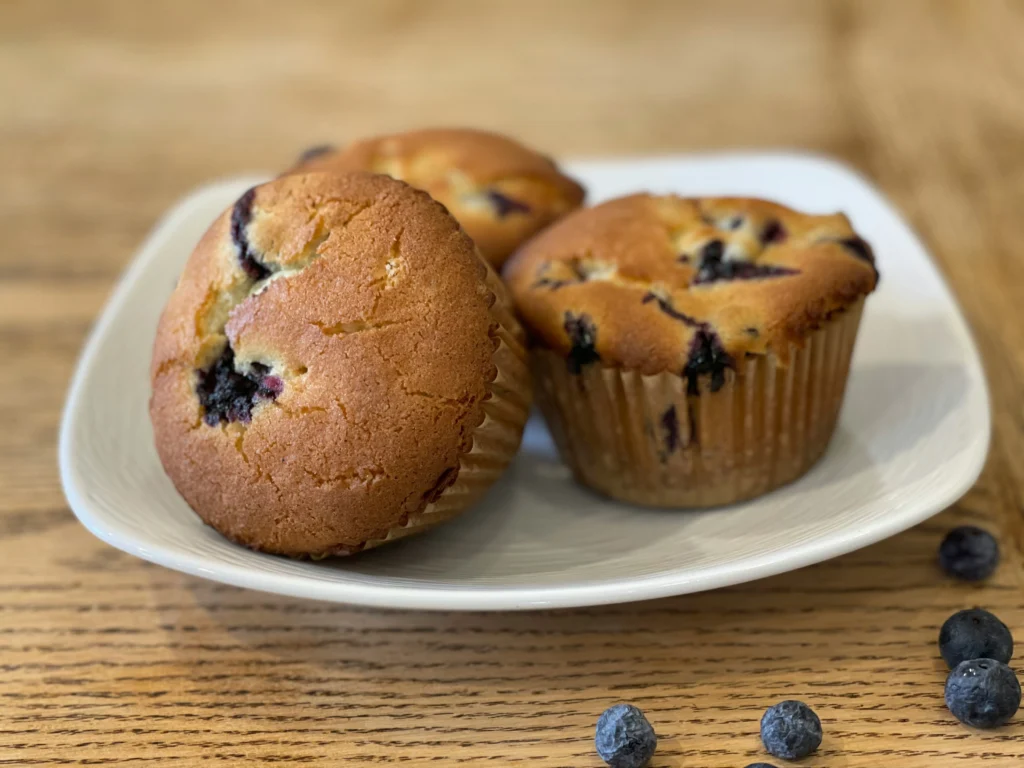
Delicious Protein Muffin Variations
Protein muffin variations bring a world of flavors. You can go from sweet treats to savory delights. Start by mastering the basic recipe. Then, experiment with different ingredients to make unique muffins that match your taste.
Fruit-Based Options: Blueberry, Banana, and Apple
Fruit adds natural sweetness and moisture to protein muffins. Try adding fresh or frozen blueberries, mashed bananas, or diced apples. Along with great flavor, these fruits deliver nutrients like fiber and antioxidants.
For example, blueberries boost antioxidants. Bananas add a creamy texture. Here are some fruit-based protein muffin ideas:
- Blueberry Oatmeal Muffins with a hint of cinnamon
- Banana Nut Muffins with chopped walnuts
- Apple Cinnamon Muffins with a drizzle of honey
Chocolate and Nut Butter Combinations
Chocolate and nut butter are great for those with a sweet tooth. Enhance the recipe with cocoa powder or melted chocolate for indulgent flavor. Pairing chocolate with nut butters like peanut butter or almond butter makes for a delicious treat.
Here are some chocolate and nut butter protein muffin ideas:
- Double Chocolate Chip Muffins with peanut butter chunks
- Mocha Chocolate Muffins with a hint of coffee
- Nut Butter Banana Muffins with a chocolate drizzle
Savory Protein Muffin Ideas
Savory protein muffins are great for snacks or as a side dish. Add cheese, herbs, and spices for a flavorful muffin. Some ideas include:
- Cheddar and Chive Muffins
- Spinach and Feta Muffins
- Sun-dried Tomato and Basil Muffins
These savory options offer a protein-packed snack. They provide a change of pace from sweet treats.
Troubleshooting Common Protein Muffin Problems
Making the perfect protein muffin is more than just a recipe. It’s about solving common problems like dry texture, rising issues, and flavor imbalances. Knowing how to fix these can help you make great homemade protein muffins every time.
Fixing Dry or Dense Muffins
Dry or dense muffins usually come from overmixing or too much protein powder. To fix this, mix wet and dry ingredients separately and then gently combine them. If muffins are too dense, try cutting down on protein powder or adding more liquid. Make sure your ingredients are at room temperature for better texture.
Addressing Texture and Rising Issues
Protein muffins that don’t rise might have expired baking powder or not enough leavening. Always check your baking powder’s expiration date and add extra if using a lot of protein powder. Also, avoid overmixing to prevent deflation and bad texture.
Solutions for Flavor Balance Challenges
Getting the flavor right is key for tasty protein muffins. If they’re too bland, add a pinch of salt or some vanilla or cinnamon. If they’re too sweet, cut down on sweetener or use a less sweet option. Try different ingredients to find the flavor you like best.
By tackling these common problems, you can improve your protein muffin recipe and baking skills. This way, your homemade protein muffins will be not just healthy but also delicious and fulfilling.
Storage and Meal Prep Strategies
Keeping your protein muffins fresh is all about proper storage. Whether you’re baking for the week or just a few snacks, knowing how to store them is key. It affects how long they last and how they taste.
Proper Cooling and Short-Term Storage
Let muffins rest on a wire rack until completely cool, then store as desired. This step prevents moisture from making them soggy. Once they’re cool, store them in an airtight container at room temperature for up to 3 days. For longer storage, refrigerate them to stay fresh for a week.
Freezing and Thawing Methods
Freezing is great for longer storage. Protect each muffin with foil or plastic wrap, then transfer to a freezer-safe bag. To thaw, leave it at room temperature or microwave it for a quick snack. Muffins stay good in the freezer for up to three months.
Incorporating Protein Muffins into Your Meal Plan
Adding protein muffins to your daily meals is simple and convenient. Here are some ideas:
Breakfast Pairings
Pair your protein muffin with a scrambled egg or a dollop of Greek yogurt for a filling breakfast.
Pre and Post-Workout Snacking
Use protein muffins as a pre-workout energy boost or as a post-workout recovery snack to help with muscle repair.
On-the-Go Nutrition
Pack a protein muffin in your bag for a quick and healthy snack on the go.
By using these storage and meal prep tips, you can enjoy your protein muffins all week. Whether at home or on the move, they’re a convenient and healthy choice.
Conclusion: Mastering Your Protein Muffin Journey
Now you can make a protein muffin that’s both healthy and delicious. You’re ready to start making healthy and delicious homemade protein muffins. These will fit your diet perfectly.
Keep trying new ingredients and flavors. You’ll love making your own high protein muffin recipes. Remember, the more you bake, the better you’ll get.
Don’t hesitate to try new things. Add different ingredients, flavors, and toppings. Your homemade protein muffins will be perfect for snacks or breakfast. They’ll be a big part of your fitness journey.

FAQ
What are some high protein muffin ideas?
High protein muffins can be made with protein powder, Greek yogurt, eggs, nuts, and seeds. Try blueberry, banana, or chocolate chip protein muffins for a tasty treat.
Can I make healthy protein muffins at home?
Yes, making healthy protein muffins at home is easy. Incorporate whole wheat, natural sugars, and good fats into your recipe. Adjust the recipe to match your personal dietary needs.
What are the best protein sources for muffins?
Great protein sources for muffins include protein powder, Greek yogurt, eggs, nuts, and seeds. Adjust the recipe by experimenting with ingredients to hit your protein needs.
How do I store protein muffins?
STo keep them fresh, store protein muffins in a tightly sealed container at room temperature for 3 days. Freeze them for up to 2 months. Protect each muffin with plastic or foil wrapping, and store in a freezer-safe bag for later use.
Can beginners easily bake protein muffins at home?
Yes, easy protein muffins can be made with protein powder, eggs, and Greek yogurt. Use a single flour and fewer add-ins to keep it simple.
What are some common mistakes to avoid when making homemade protein muffins?
Avoid overmixing, too much sugar, and not adjusting liquid for protein powder. These mistakes can ruin your muffins.
Can I customize protein muffin ingredients to suit my dietary needs?
Yes, you can tailor protein muffin ingredients to fit your diet. Use gluten-free flours, dairy-free milk, or sugar-free sweeteners for a more inclusive option.
How can I incorporate protein muffins into my meal plan?
Whether for breakfast, before hitting the gym, or after a workout, protein muffins are a versatile and nutritious option. Pair them with fruits, nuts, or veggies for a complete meal.